

Metals are an essential part of modern industry, but they are not usually used in their pure form. In most industrial applications, different elements are combined to improve their mechanical, thermal, or chemical properties. These combinations are known as metal alloys, and to know what the most common metal alloys It is key to choosing the material needed for manufacturing, processing, and machining processes.
In Metal Transformed Toral We always keep in mind that the correct selection of alloys is essential if we want to guarantee strength, durability and efficiency in every project.
What is a metal alloy?
A metallic alloy is the result of combining a base metal with one or more elements, which can be metallic or non-metallic. The objective of this combination is improve certain properties of the original metal, such as hardness, corrosion resistance, conductivity, or ease of machining.
Metals differ from pure metals because alloys adapt the material to very specific uses, from industrial structures to precision parts. For this reason, industry almost always works with alloys and not with pure metals.
Why are metal alloys used in industry?
Along the same lines, the use of alloys responds to a technical and economic need. A pure metal can be too soft, brittle, or not very resistant to external factors. Through alloying, a balance is achieved between these properties. performance, cost and durability.
Among the main advantages of metal alloys are the improvement of endurance mechanics, the largest stability in the face of temperature changes, wear resistance and the possibility of fit The material is suitable for processes such as cutting, welding, or forming. These characteristics make the most common metal alloys essential in sectors such as construction, automotive, energy, and metallurgy.
Steel alloys: the most commonly used
Steel is undoubtedly one of the most common and widely used metal alloys in the world. It is obtained from iron and carbon, although it can contain other elements such as manganese, chromium, nickel, or molybdenum to improve its properties.
Carbon steels are commonly used in industrial structures, profiles and parts due to their good resistance and low cost. On the other hand, alloy steels and stainless steels have a greater mechanical resistance and corrosion, This makes them ideal for demanding environments or applications where durability is paramount.
Aluminum alloys: lightness and strength
Aluminum is another of the most widely used metals in alloy form. In its pure state, it is lightweight but somewhat soft. When combined with elements such as copper, magnesium, silicon, or zinc, alloys are obtained with excellent strength-to-weight ratio.
These alloys are commonly used in sectors where weight is a critical factor, such as automotive, aerospace, and lightweight metal structures. Furthermore, aluminum alloys are quite resistant to corrosion, making them a very versatile option in metalworking processes.
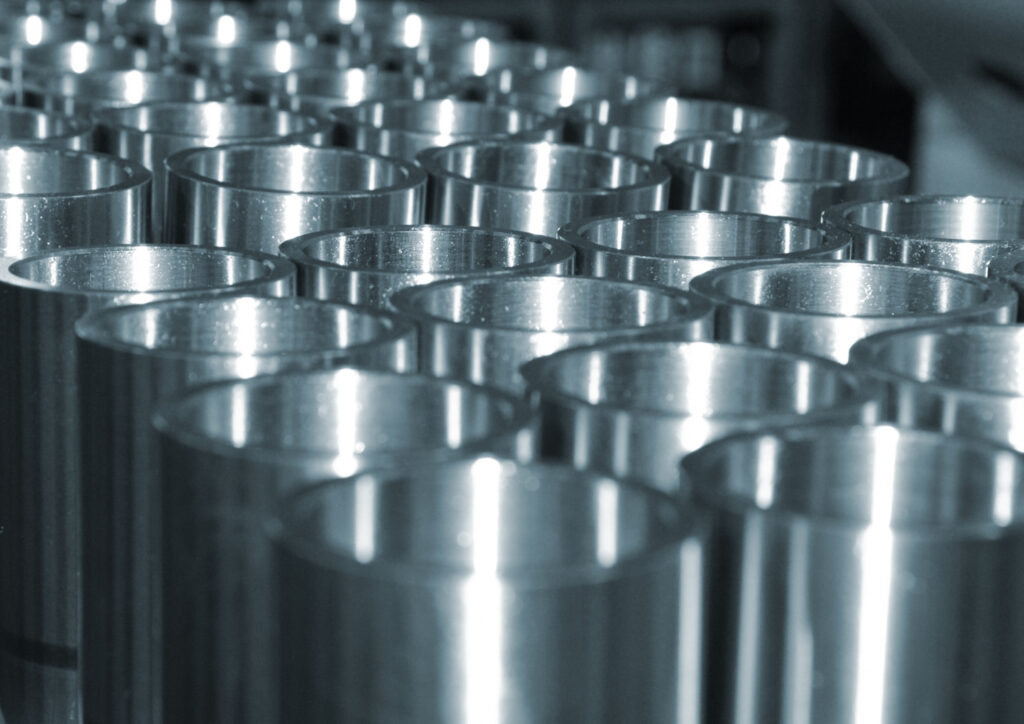
Copper alloys: conductivity and durability
Copper is notable for its high electrical and thermal conductivity, but it is also used in the form of alloys to improve its mechanical strength. Among the best known are... bronze (copper and tin) and the brass (copper and zinc).
These common metal alloys are used in electrical components, valves, mechanical parts, and decorative elements. If you're looking for long-term reliability, these alloys are suitable because they are highly resistant to wear and corrosion.
Alloys of zinc, nickel and other metals
Besides the major players, there are other alloys that are quite commonly used in industry. Zinc alloys are common in galvanizing and die casting processes, thanks to its good fluidity and corrosion resistance.
Nickel, for its part, is used both as an alloying element in steels and superalloys and in specific alloys intended for withstand high temperatures or corrosive environments. These combinations are essential in sectors such as the chemical, energy, or shipbuilding industries.
How to choose the right metal alloy?
Choosing the right alloy depends on several factors, such as:
- What is the piece intended to be used for?
- The environment to which it will be exposed
- The type of load it will support
- The necessary manufacturing process
Not all alloys respond the same way to machining, welding, or forming.
That's why, in specialized companies like Metal Transformed Toral, Technical knowledge and experience are key when advising on the most common metal alloys and their application in each project. Choosing the right material not only improves performance but also reduces costs and extends the lifespan of the final product.
Importance of alloys in metal transformation
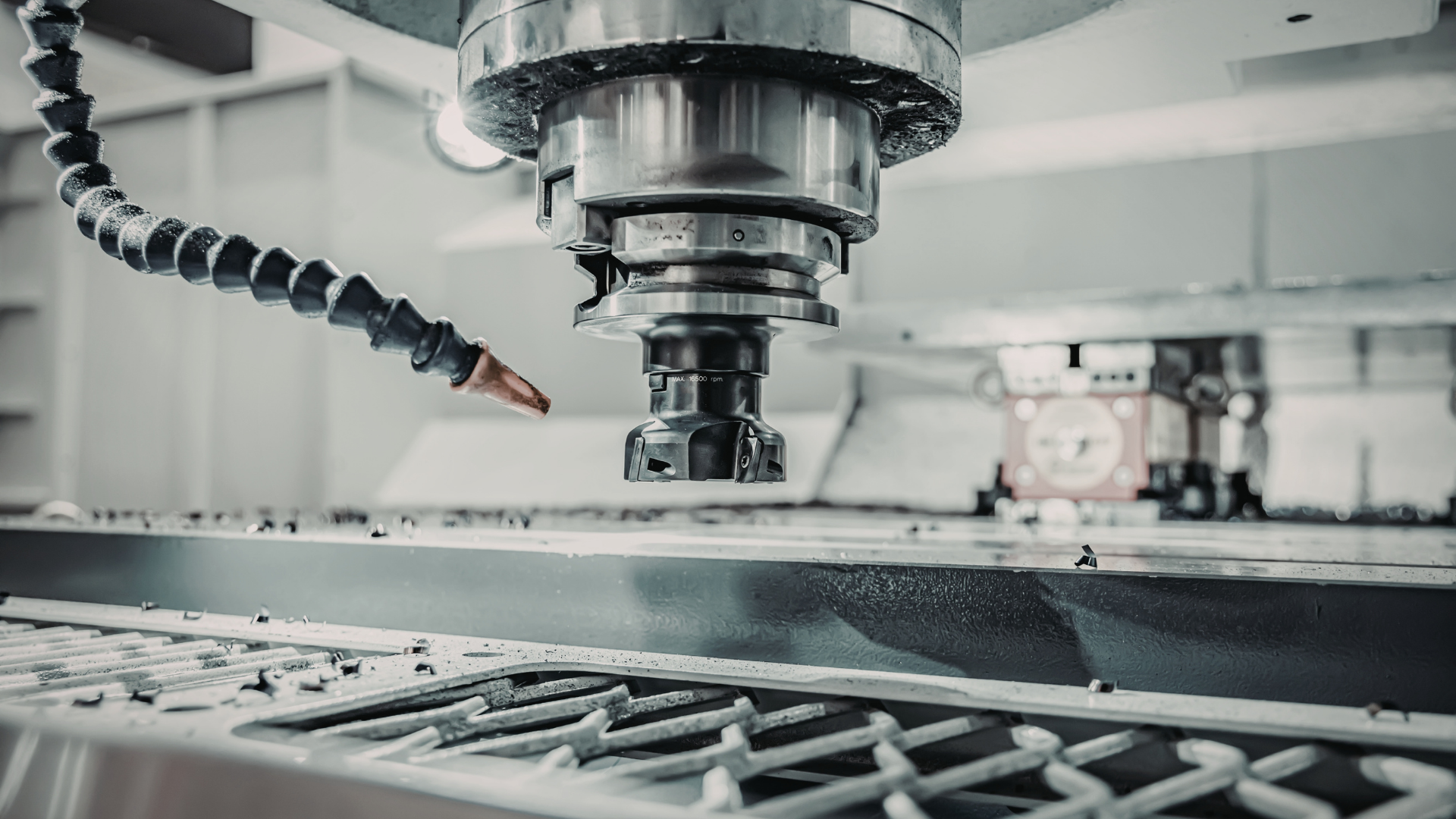
In metalworking processes, the chosen alloy determines the entire process. From cutting and bending to machining and final finishing, not all materials perform the same. Working with the right alloy ensures precision, safety, and efficiency at every stage.
Furthermore, choosing the right material allows you to comply with regulations, improve the sustainability of the project, and provide solutions tailored to the needs of each client.
Do you need advice on choosing the most suitable metal alloy for your project? We'll help you!


 English (UK)
  Español
  Français
  Deutsch