

The terms iron and steel industry and metallurgy They are often used interchangeably, but they are not exactly the same. Both describe industrial processes related to metal, from obtaining the mineral to manufacturing finished products.
In this article we clarify concepts and review the main stages of the metal transformation.
What is steelmaking?
The iron and steel industry It focuses specifically on the iron and steel production:
- Starting from iron ores, Different types of pig iron and steel are obtained.
- It includes processes such as the blast furnace, electric furnaces, and steel refining.
It is the basis of sectors such as construction, automotive or heavy machinery manufacturing.
And what is metallurgy?
The metallurgy It is a broader concept that encompasses:
- The metal extraction from its minerals (iron, aluminum, copper, etc.).
- His refining, alloying and shaping to obtain useful products.
In this sense, the steel industry would be a branch of metallurgy focused on iron and steel.
Main stages in metal transformation
1. Obtaining the metal
- Mineral extraction in mines.
- Concentration and preparation of the mineral.
- Reduction processes (for example, in blast furnaces) to obtain raw metal.
2. Refining and alloy preparation
Once the base metal has been obtained, the following steps are taken:
- Refine to remove impurities.
- It combines with other elements (carbon, chromium, nickel, etc.) to create alloys with specific properties (strength, hardness, corrosion resistance…).
3. Mechanical shaping and transformation
Metal products are processed using:
- Lamination (sheets, profiles, bars).
- Forging and printing.
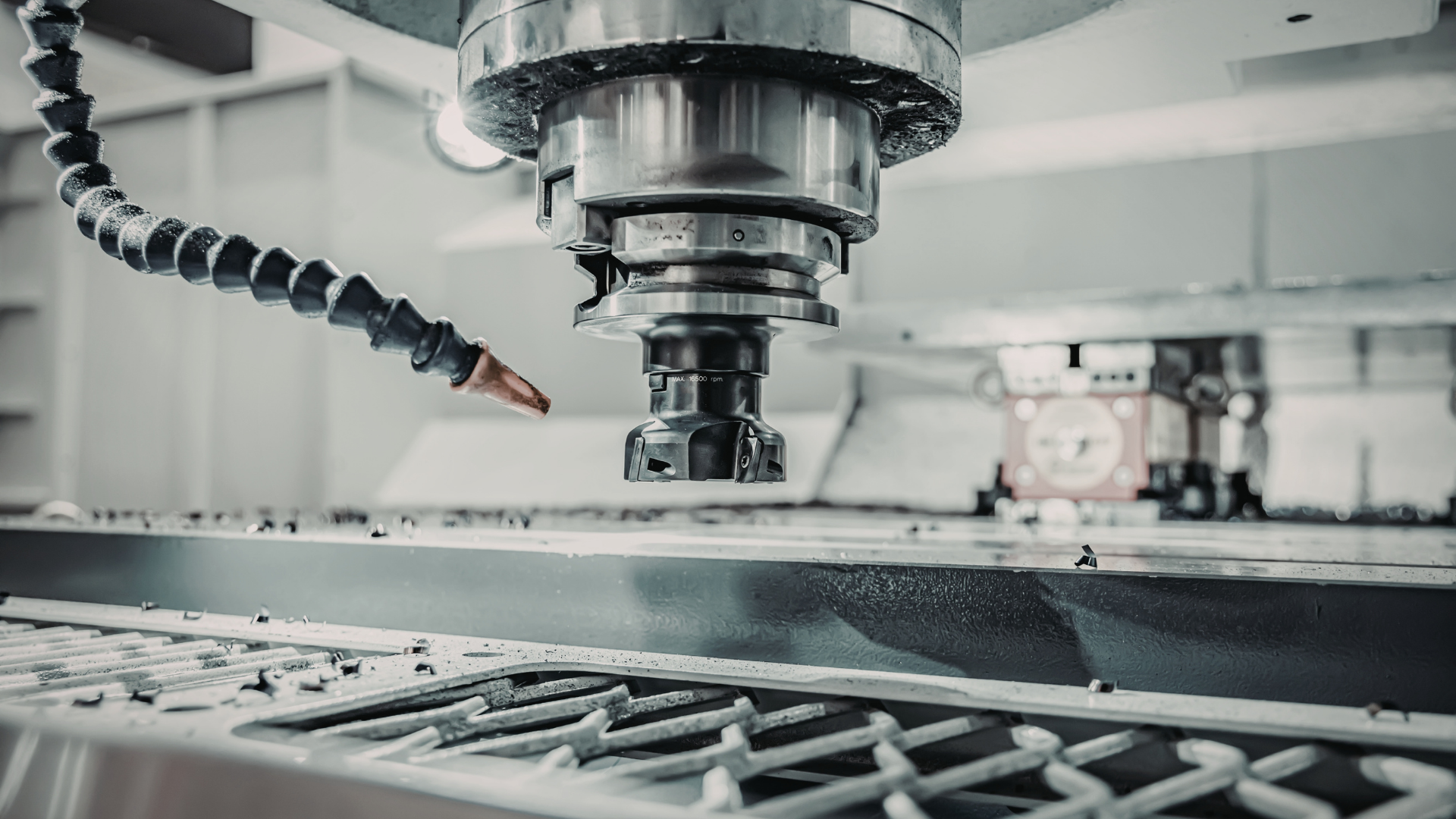
- Machining (turning, milling, drilling…).
- Boilermaking and welding processes to create structures and equipment.
4. Heat and surface treatments
To adjust the final properties, the following applies:
- Heat treatments (normalizing, hardening, tempering…).
- Surface treatments (galvanizing, painting, special coatings…).
Importance of iron and steelmaking and metallurgy in modern industry
Without these processes it would be impossible to have:
- Metal structures for buildings, bridges and infrastructure.
- Components for industrial machinery, vehicles and equipment.
- Everyday products such as household appliances, tools, or street furniture.
Innovation in metallurgy allows for the development of new alloys Lighter, stronger and more sustainable, key for sectors such as energy, aeronautics or electric mobility.
Conclusion
The iron and steel industry and metallurgy They are pillars of modern industry: from obtaining the mineral to designing advanced alloys and manufacturing high-precision components.
Understanding its foundations helps us appreciate the work behind every metal structure and machine that surrounds us, and to opt for quality solutions in projects where metal is the main element.


 English (UK)
  Español
  Français
  Deutsch