

The automotive industry and part of the modern machinery They face a constant challenge: reducing weight without compromising safety or structural strength. In that scenario, the high-strength steel It has ceased to be a specialized option and has become a strategic material. AHSS steels allow for the design of lighter components while maintaining very demanding mechanical performance.
This combination explains why they are gaining so much prominence in sectors where every kilo counts.
What are AHSS steels?
The term AHSS refers to Advanced High Strength Steel, That is, advanced high-strength steels. These are materials developed to offer greater mechanical performance than other conventional steels, especially in terms of strength, energy absorption, and structural behavior.
When we talk about high-strength steel, It is not only the hardness of the material that matters, but also its ability to respond efficiently in demanding applications.
Why do they help you lose weight?
If a material offers superior mechanical properties, certain designs allow for more optimized thicknesses or configurations. This opens the door to lighter parts without compromising structural reliability.
In the automotive industry, reducing weight means improving efficiency, fuel consumption, and performance. In machinery, it can translate into operational, transport, or design advantages.
Same safety, better efficiency?
The great strength of high-strength steel It lies in combining lightness with safety.
Greater structural capacity
These steels help to design components capable of withstanding significant stresses with less overall mass.
Better response in demanding applications
In sectors such as automotive, its use is valued for its ability to contribute to safe and optimized structures.
Greater competitiveness in industrial design
Being able to manufacture strong and lightweight parts opens up new possibilities in engineering and product development.
Where are they most frequently used?
- automotive,
- agricultural machinery,
- industrial structural components,
- parts subjected to high mechanical demands.
What challenges are involved in working with AHSS?
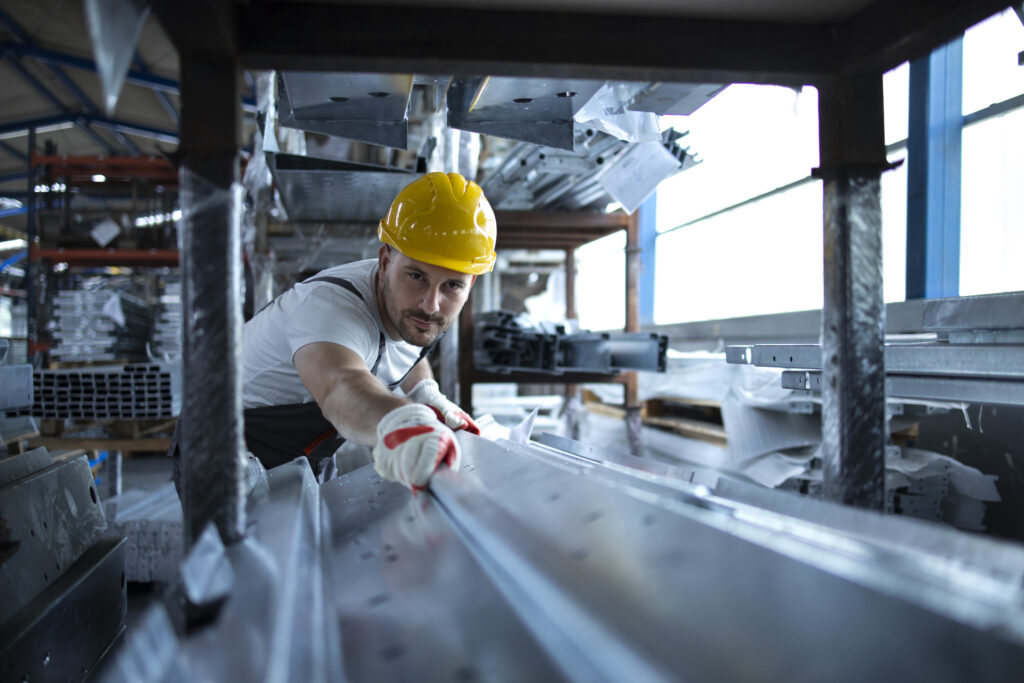
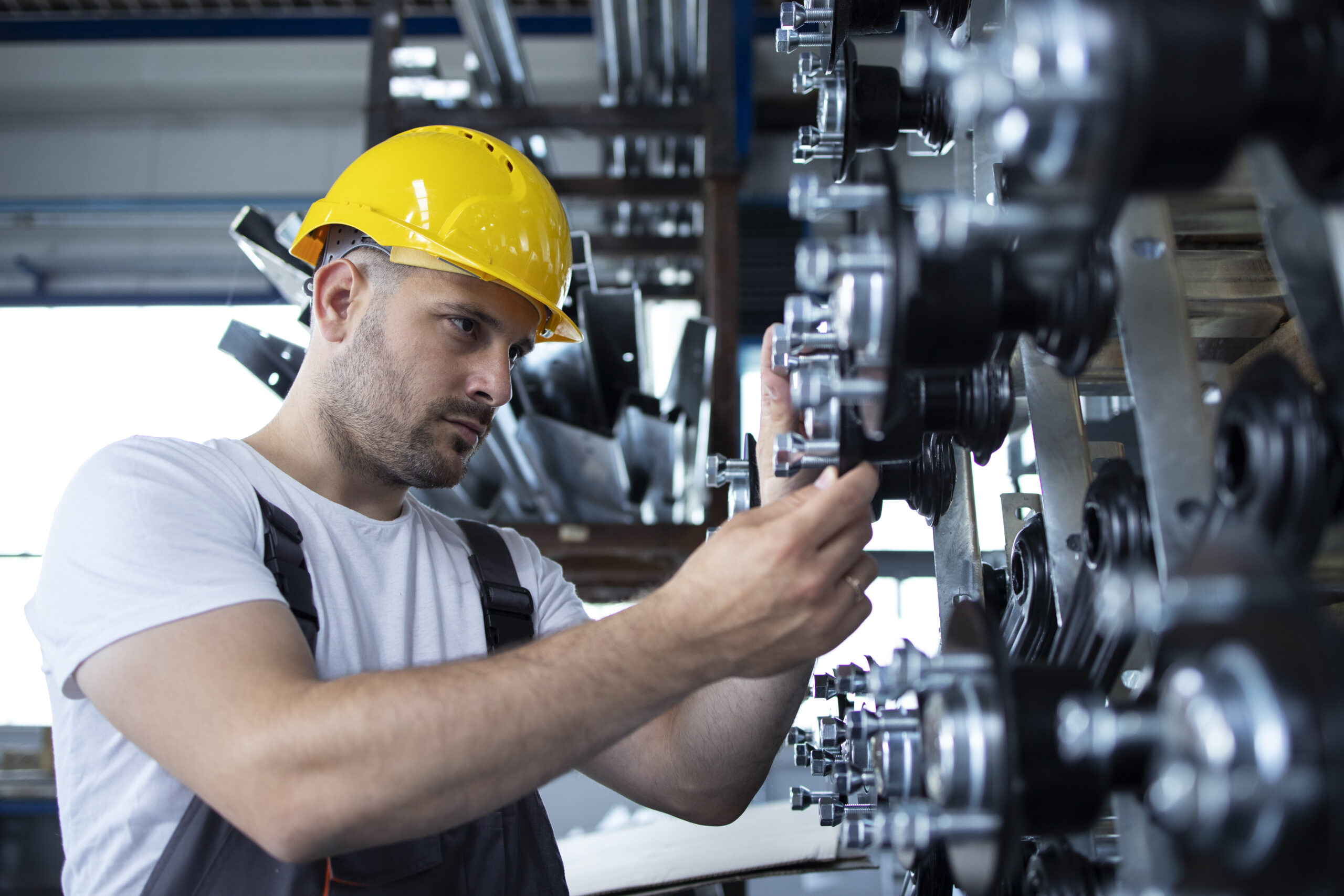
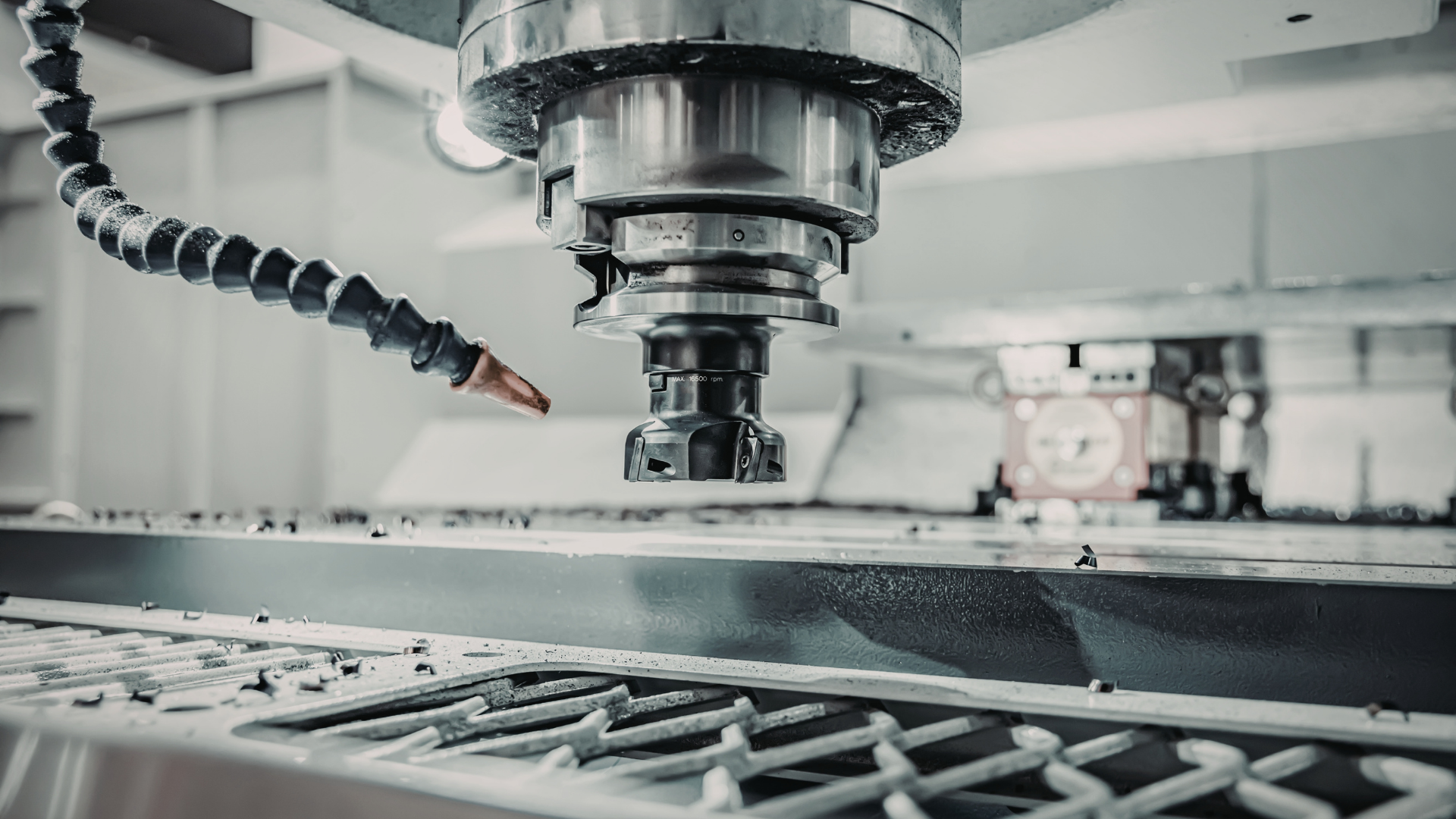
The use of high-strength steel It also requires technical expertise in transformation, cutting, forming, and welding. Simply replacing one material with another without reviewing the design, process, and tooling is insufficient. Its true potential is realized when the entire technical chain is adapted to the material.
Key benefits
- weight loss,
- structural safety maintenance,
- efficiency improvement,
- new design possibilities,
- added value in advanced sectors.
Conclusion
He high-strength steel This represents a key evolution for industries that need more performance with less weight. AHSS allow for progress towards more efficient solutions without compromising safety, something especially valuable in the automotive and agricultural machinery sectors.
It's not just a material improvement: it's a lever for innovation to design better and manufacture with more technical expertise.

 English (UK)
  Español
  Français
  Deutsch