
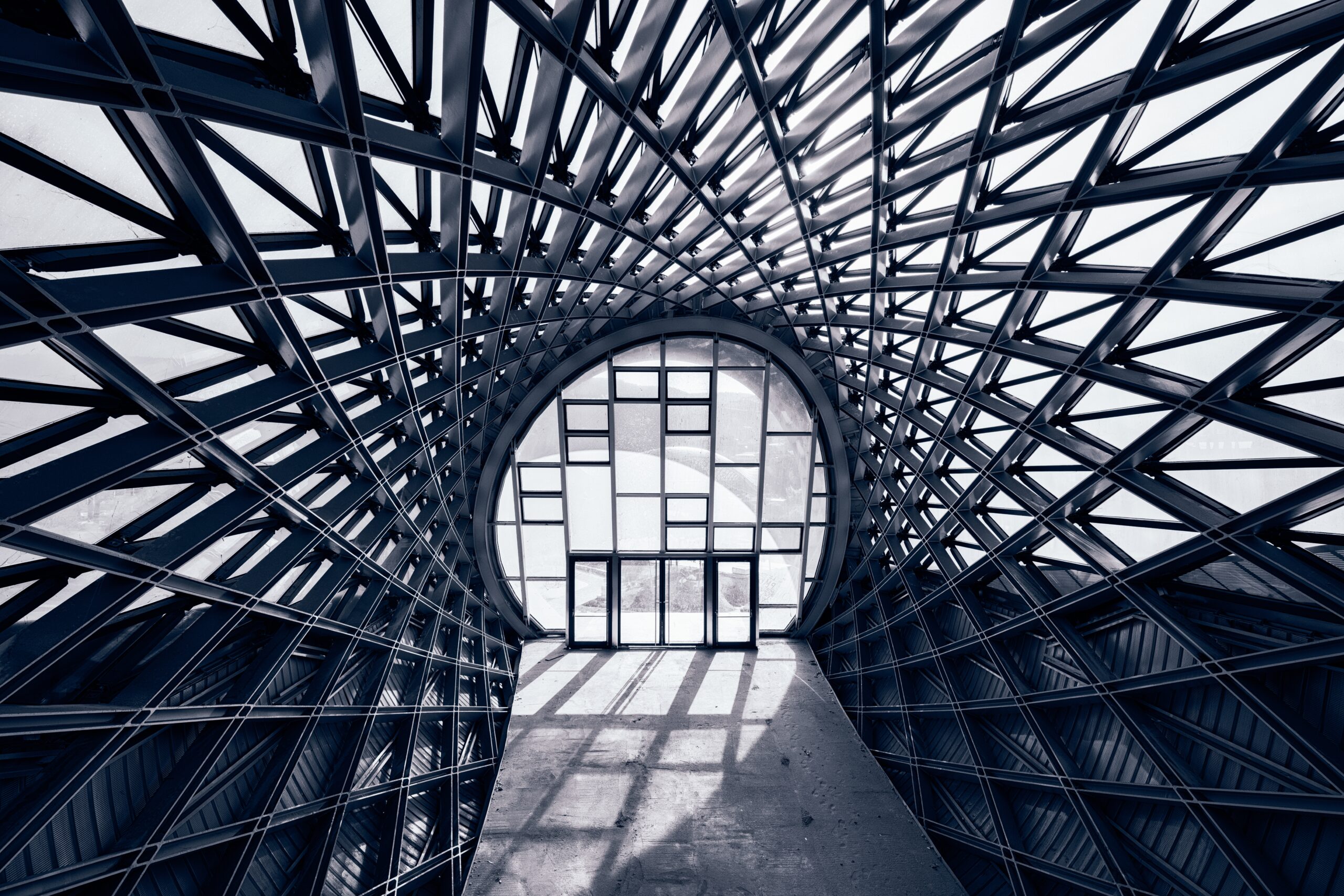
In industry, optimization doesn't mean indiscriminate cutting. It means finding smarter ways to achieve the same—or better—results with fewer resources, lower costs, and greater efficiency. In this context, the metal structures engineering It has a key role, especially when applied with a value engineering approach.
Redesigning a component to use less material while maintaining strength is not just an economic issue. It also affects manufacturing times, logistics, assembly, and project competitiveness.
What is value engineering applied to metal structures?
The metal structures engineering Value-oriented design seeks to review a design to identify potential improvements without compromising the element's function. It's not about "making it cheaper" at any cost, but about analyzing where there are over-dimensions, optimizable geometries, or decisions that can be improved.
To achieve this, each component is studied in terms of its function: what loads it supports, how it connects to the rest of the assembly, under what conditions it operates, and what manufacturing process will be used. From there, alternatives are considered and compared in terms of strength, cost, lead time, and ease of assembly.
Where do opportunities for improvement typically arise?
The most common opportunities are usually found in:
- profile selection,
- excessive thicknesses,
- inefficient geometries,
- oversized joints,
- manufacturing processes with room for simplification.
When these variables are reviewed with calculation and experience, it is possible to reduce material without compromising the expected structural behavior.
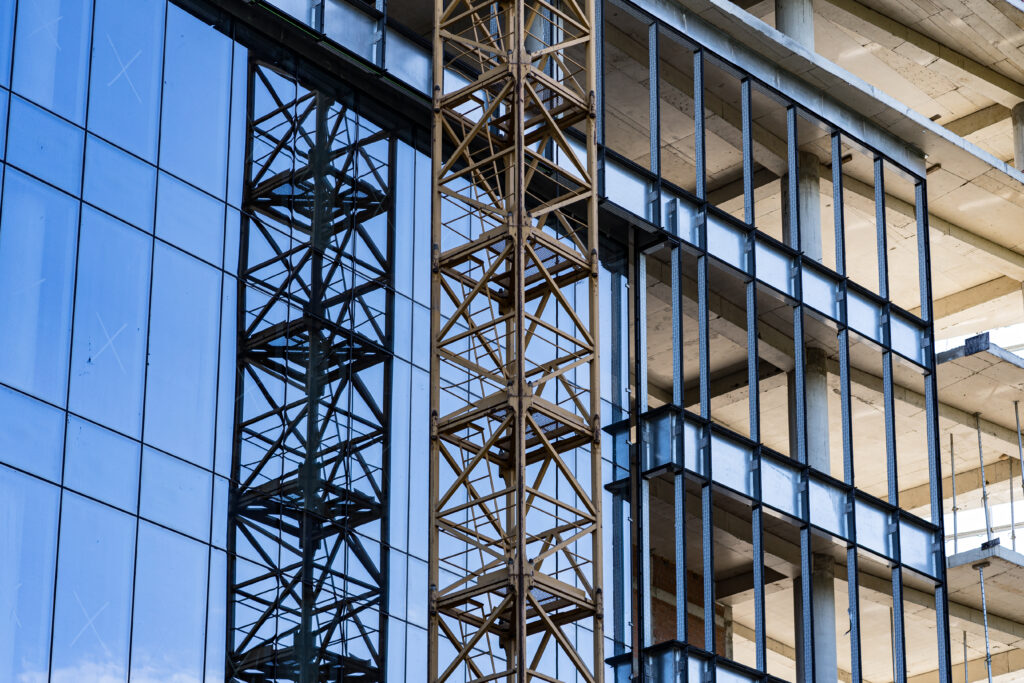
How is a value engineering process developed?
Although each project has its own particularities, the process usually follows a fairly clear sequence:
- Functional analysis: It defines what the component should do and what its actual requirements are for load, stiffness, durability and working environment.
- Review of current design: Oversized areas, unnecessary welds, parts that could be combined, or profiles that can be replaced by more efficient ones are identified.
- Proposed alternatives: Changes in geometry, thickness, material, or joining system are being considered.
- Calculation and validation: Each alternative is checked by structural calculation and, where appropriate, finite element simulation or testing.
- Adaptation to manufacturing: The final solution is tailored to the machinery and processes available in the workshop to ensure it is viable and repeatable.
This approach works best when engineering and the shop floor work in coordination from the outset. That's why, in the engineering projects It is advisable to integrate the manufacturing vision into the design phase, and not when the plans are finalized.
Benefits of redesigning with discernment
Optimizing a part or assembly can translate into steel savings, reduced weight, more streamlined processes, and better utilization in the workshop and assembly. Furthermore, a more efficient solution can be more sustainable and more competitive from an overall project perspective.
The impact is even greater in the mass production. Saving a few kilos of steel or a few minutes of welding per unit may seem insignificant in a single piece, but multiplied by hundreds or thousands of units it becomes a very significant cost reduction throughout the entire production process.
In addition, a lighter design facilitates transport and handling, reduces the need for lifting equipment, and can simplify on-site assembly.
Mistakes to avoid
The most dangerous mistake is confusing optimization with arbitrary trimming. Material reduction only makes sense if it's supported by analysis, validation, and an understanding of the actual stress the component will bear. It's also a mistake to examine the part in isolation without considering how it will affect the assembly, manufacturing, or final assembly.
Another common mistake is overlooking applicable regulations and required safety factors. An optimized structure must still meet design requirements, fatigue criteria under cyclic loads, and durability standards against corrosion. If the initial savings later necessitate repairs or reinforcements, the optimization will have been costly.
Conclusion
The metal structures engineering It gains significant value when approached from the perspective of optimizing without compromising. Redesigning components thoughtfully allows for material savings, process improvements, and the maintenance of structural safety.
That's why it's so important to have a manufacturer with experience in metalworking in Valladolid that combines technical office, advanced machinery, and real-world workshop knowledge. This combination ensures that every proposed improvement is realistic, can be manufactured with quality, and adds value from the first prototype to final production.
In an increasingly demanding industrial environment, the ability to do more with less can make a decisive difference in profitability and technical quality.

 English (UK)
 Español
 Français
 Deutsch